





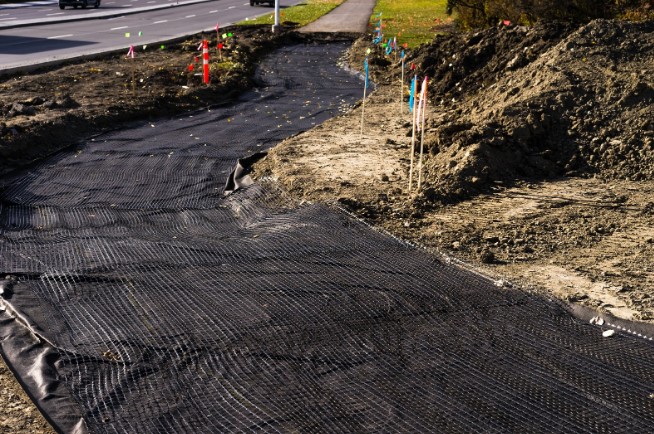
- Geotextiles for Filtration, Separation, and Reinforcement in Civil Engineering
- Geogrids and Geocells: Soil Reinforcement and Erosion Control Solutions
- Geogrids: Maximizing Stability and Load Distribution
- Geocells: Three-Dimensional Confinement for Slope and Channel Stabilization
- Geomembranes, Geonets, and Key Applications: A Comparative Guide
- Five Key Advantages of Advanced Geosynthetics
- Decision Factors When Choosing Geosynthetic Materials in Kazakhstan
- Ensuring Reliable Delivery of Construction Materials Across Kazakhstan
Geosynthetic materials have become critical solutions in Kazakhstan’s modern infrastructure sector, underpinning projects ranging from highway construction to effective drainage and landscape stabilization. The diverse terrain, fluctuating climate, and ambitious development plans make the correct selection of construction materials essential for long-term performance. By sourcing innovative products–such as those offered by kraska.kz – builders and project managers ensure reliable quality and timely delivery across Kazakhstan, even to remote sites. This review examines the top five geosynthetic materials shaping engineering, drainage, and road construction, highlighting their distinct functions, advantages, and the criteria for selecting the right product for your project.
Geotextiles for Filtration, Separation, and Reinforcement in Civil Engineering
Geotextiles are versatile, permeable fabrics that serve essential roles in road and infrastructure projects throughout Kazakhstan. Manufactured from synthetics such as polypropylene or polyester, geotextiles come in woven and nonwoven forms, each with distinct mechanical and hydraulic properties.
Woven geotextiles, created by interlacing yarns in a precise pattern, provide exceptional tensile strength, making them suitable for soil stabilization, base reinforcement in roadbeds, and embankment support. Their high load-bearing capacity distributes pressure effectively, reducing the risk of rutting and pavement deformation under heavy traffic. Nonwoven geotextiles, produced by bonding fibers randomly, excel as filtration and separation layers. These materials allow water to pass while preventing soil particles from migrating, which is critical in drainage systems, retaining walls, and erosion control along rivers or slopes.
In Kazakhstan, geotextiles are vital for extending pavement life on highways connecting major cities like Almaty, Nur-Sultan, and Shymkent. Their use mitigates freeze-thaw damage and minimizes road maintenance costs in regions with extreme temperature variations. Additionally, geotextiles are increasingly used in landscape architecture, landfill construction, and canal reinforcement. Their ease of installation, adaptability to different soil conditions, and cost-effectiveness make them a go-to material for engineers seeking reliable solutions for both urban and rural infrastructure.
Geogrids and Geocells: Soil Reinforcement and Erosion Control Solutions
Geogrids and geocells are engineered to enhance the shear strength, stability, and performance of soils under various load conditions. Widely applied in Kazakhstan for road embankments, mining facilities, airport runways, and retaining wall construction, these products address site-specific geotechnical challenges.
Geogrids: Maximizing Stability and Load Distribution
Geogrids are mesh-like materials with openings that lock aggregate or soil particles, transferring loads from soft subgrades to more competent layers. There are three main types: uniaxial (reinforcing in one direction), biaxial (reinforcing in two directions), and triaxial (with a triangular aperture structure for multi-directional stability). Geogrids made from high-density polyethylene or polyester resist chemical and biological attack, supporting long service lives even in harsh Kazakhstani conditions.
Road designers utilize geogrids to reinforce base and sub-base layers, enabling thinner pavement structures and significant savings on aggregate. By confining fill materials, geogrids reduce differential settlement and increase the bearing capacity of weak soils–essential in regions with variable permafrost or seasonal moisture fluctuations. Their application in slopes, bridge abutments, and retaining walls prevents soil movement, controls erosion, and maintains infrastructure integrity.
Geocells: Three-Dimensional Confinement for Slope and Channel Stabilization
Geocells, or cellular confinement systems, feature interconnected honeycomb-like cells that expand on site and are filled with soil, sand, or gravel. These cells create an integrated, load-distributing slab, making geocells ideal for protecting embankments, steep slopes, riverbanks, and unpaved access roads. The three-dimensional cellular structure confines infill materials, preventing lateral movement and increasing shear resistance under load.
Mining and energy companies in Kazakhstan entrust geocells for haul roads and containment structures due to their proven resilience to dynamic loading and environmental exposure. Installation is straightforward and efficient, especially in remote or mountainous regions. The economic and environmental benefits–lower material consumption, longer system life, and minimal maintenance–underscore the importance of integrating geogrids and geocells into modern engineering strategies.
For more detailed options and product comparison, the company Kraska.kz showcases an extensive catalog of certified geosynthetics geosynthetics proven effective for the demands of Kazakhstan’s infrastructure.
Geomembranes, Geonets, and Key Applications: A Comparative Guide
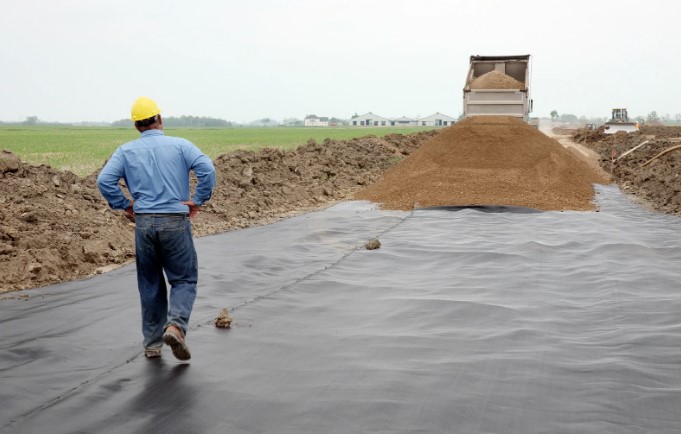
Water management and environmental protection are paramount in Kazakhstan, where geomembranes and geonets provide impermeable and drainage solutions in challenging project scenarios. These geosynthetic products are instrumental in sectors ranging from civil engineering to mining and agriculture.
- Geomembranes – Manufactured from high-density polyethylene (HDPE), polyvinyl chloride (PVC), or other polymers, geomembranes are flexible sheets used as liners or covers. They prevent leakage or seepage in reservoirs, landfills, tailings dams, and canal linings. Resistance to puncture, chemicals, and ultraviolet degradation makes them suitable for Kazakhstan’s wide temperature ranges and intense solar exposure.
- Geonets – Three-dimensional, net-like structures designed primarily for drainage. Placed between soil and geomembranes or inside landfill caps, geonets channel away liquids and gases, protecting infrastructure and the environment. Their high flow capacity supports rapid dewatering, essential after heavy precipitation or snowmelt.
- Composite Geosynthetics – By laminating geomembranes, geotextiles, or geonets, these multi-functional products deliver combined benefits: separation, reinforcement, filtration, and drainage, ideal where site constraints demand advanced engineering.
Construction firms in Kazakhstan rely on these materials to comply with stringent environmental standards and minimize project risks. These geosynthetics provide long-term containment and help preserve groundwater, farmland, and ecological balance.
When selecting the most appropriate solution for specific conditions, the company Kraska.kz offers expert consultation and a curated selection of geosynthetics for any project scope or complexity.
Five Key Advantages of Advanced Geosynthetics
- Enhanced durability under extreme weather and mechanical stress
- Reduced long-term maintenance and lifecycle costs
- Improved drainage and water management
- Lightweight and easy to transport, install, and configure
- Proven compatibility with Kazakhstan’s diverse soils and climates
Decision Factors When Choosing Geosynthetic Materials in Kazakhstan
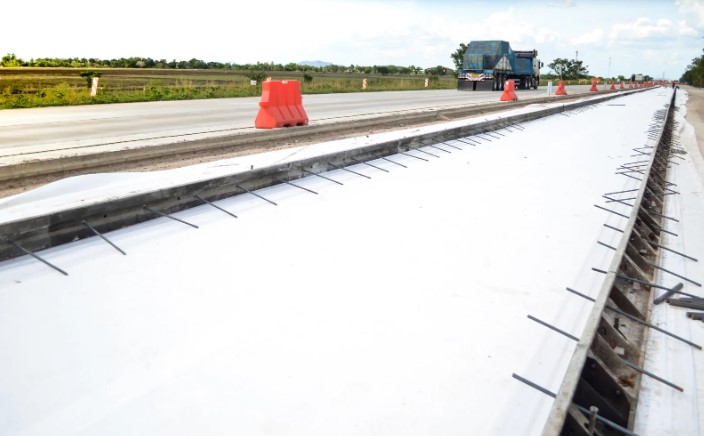
Selecting optimal geosynthetic materials depends on local site conditions, regulatory requirements, and project objectives. In Kazakhstan, consider the following aspects:
- Soil characteristics: Identify bearing capacity, composition, and the presence of aggressive agents (salts, hydrocarbons, contaminants) that could impact material longevity.
- Climate and temperature fluctuations: Ensure chosen geosynthetics sustain performance throughout freeze-thaw cycles, intense summer heat, or persistent winds common in Central Asian steppes.
- Load and traffic intensity: Calculate expected stresses from vehicular, pedestrian, or industrial operations. High-modulus geogrids and reinforced composites may be necessary for high-traffic zones.
- Installation logistics: Factor in project remoteness, transport accessibility, and available equipment for efficient deployment and minimal site disruption.
- Long-term sustainability: Favor geosynthetics tested for resistance to ultraviolet light, oxidation, and biological factors, extending structure service life and reducing environmental impact.
Careful evaluation of these parameters supports technical reliability and cost control, empowering Kazakhstan’s engineers to deliver robust, future-proof infrastructure.
Ensuring Reliable Delivery of Construction Materials Across Kazakhstan
Timely access to certified construction materials remains a priority for engineering firms, government agencies, and private developers across Kazakhstan’s vast territory. By partnering with established suppliers who understand local regulatory requirements and logistics, decision-makers can secure prompt, cost-effective delivery to project locations of any scale. Trusted partners offer not only a wide selection and competitive pricing, but also on-site support, technical guidance, and after-sales service, supporting project success from concept through completion.